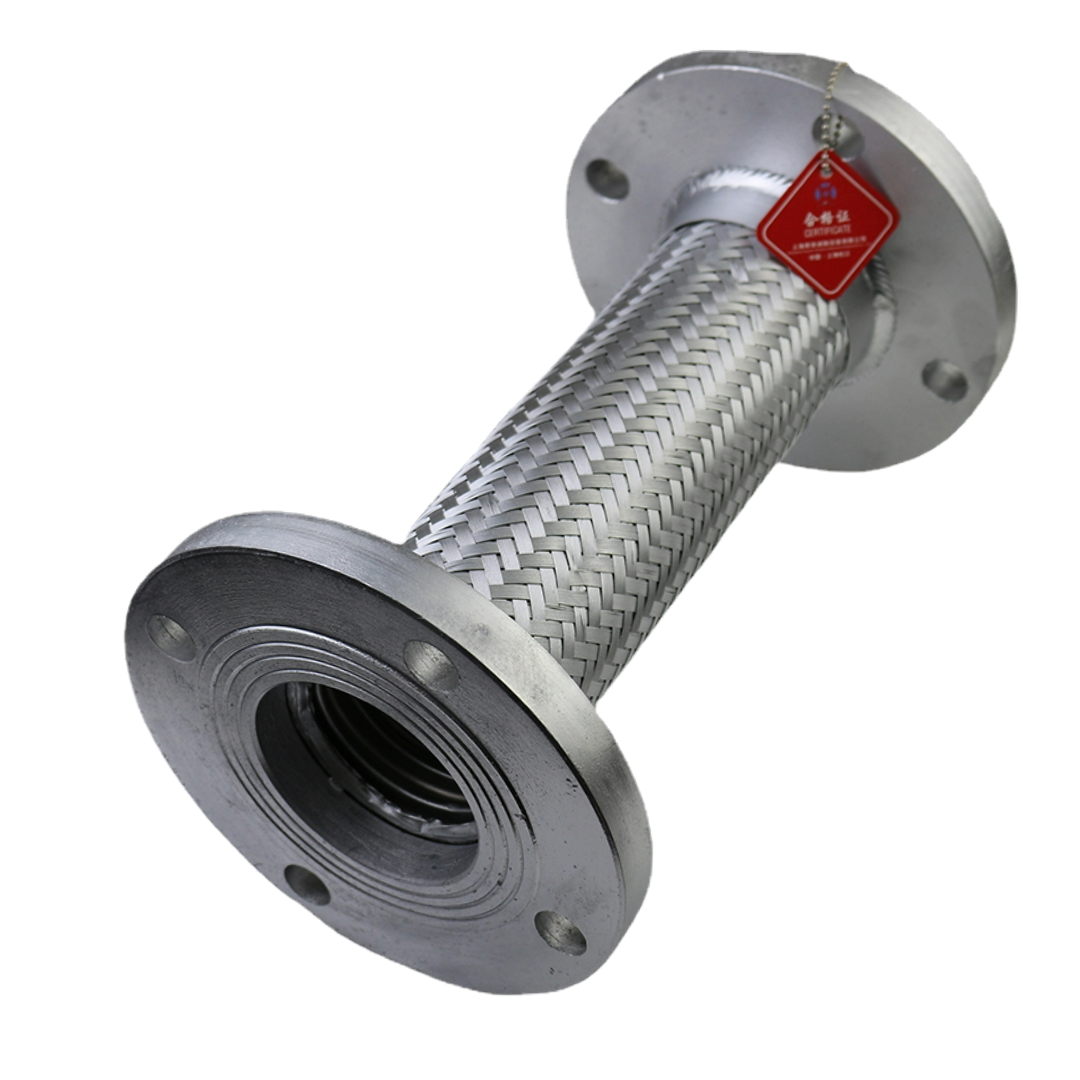
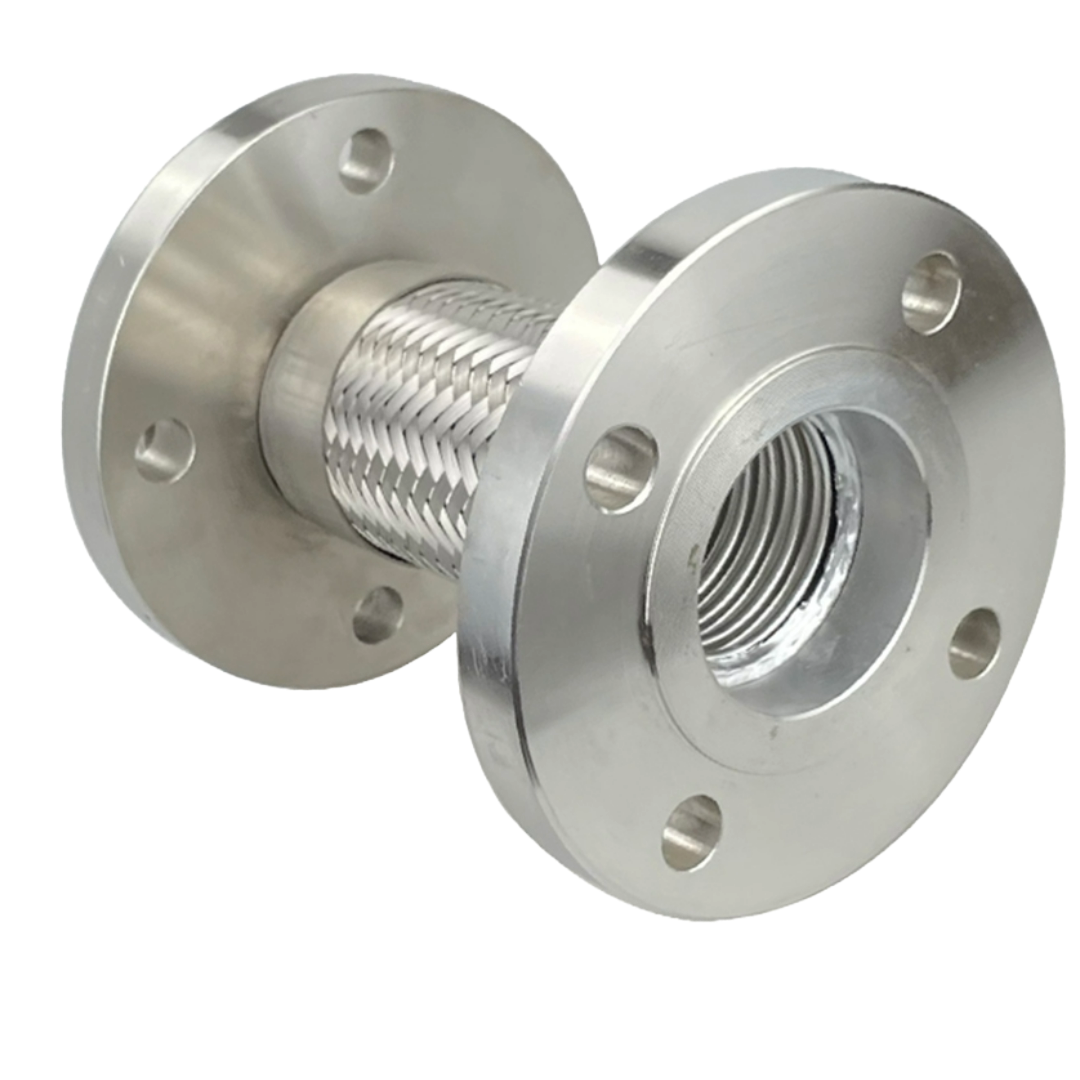
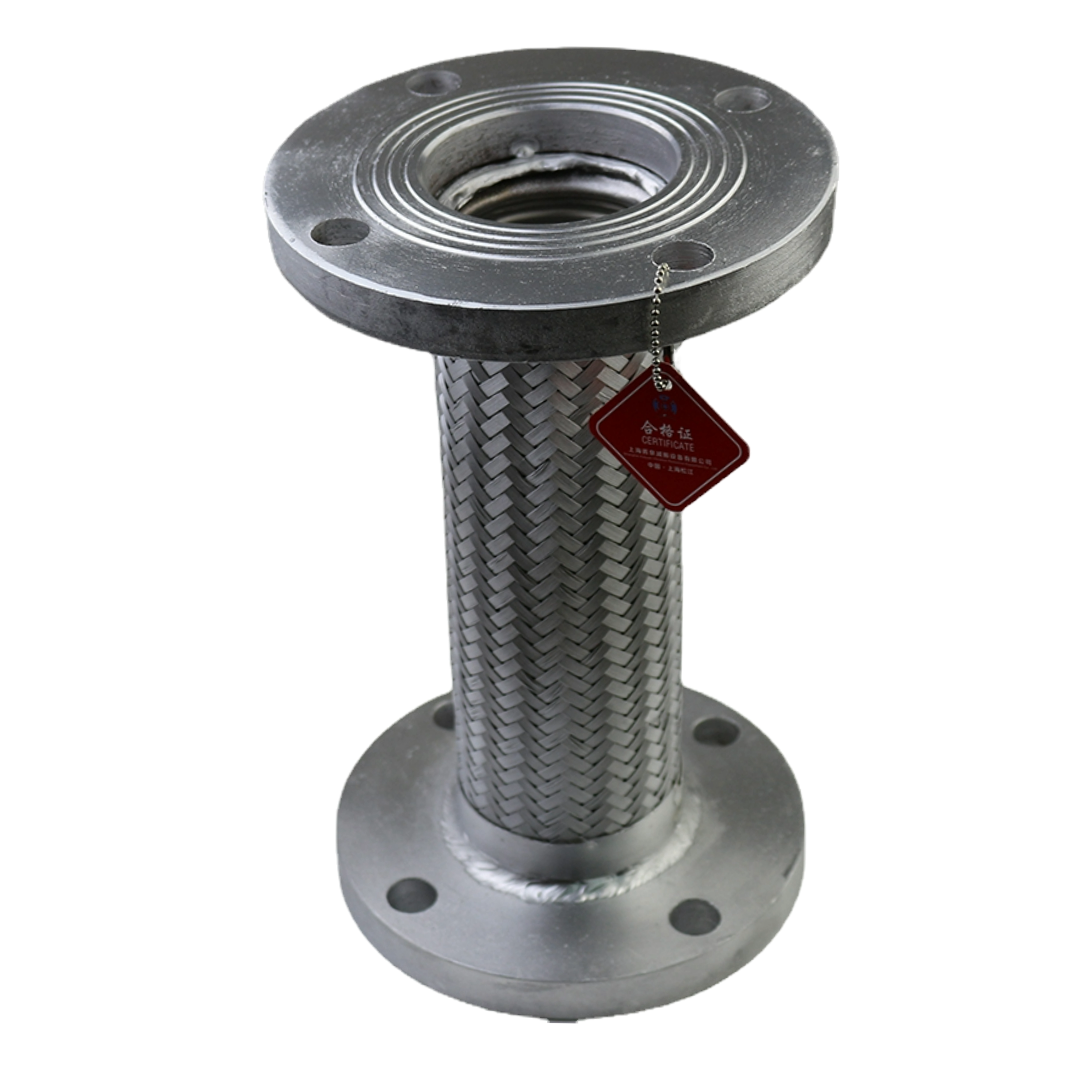
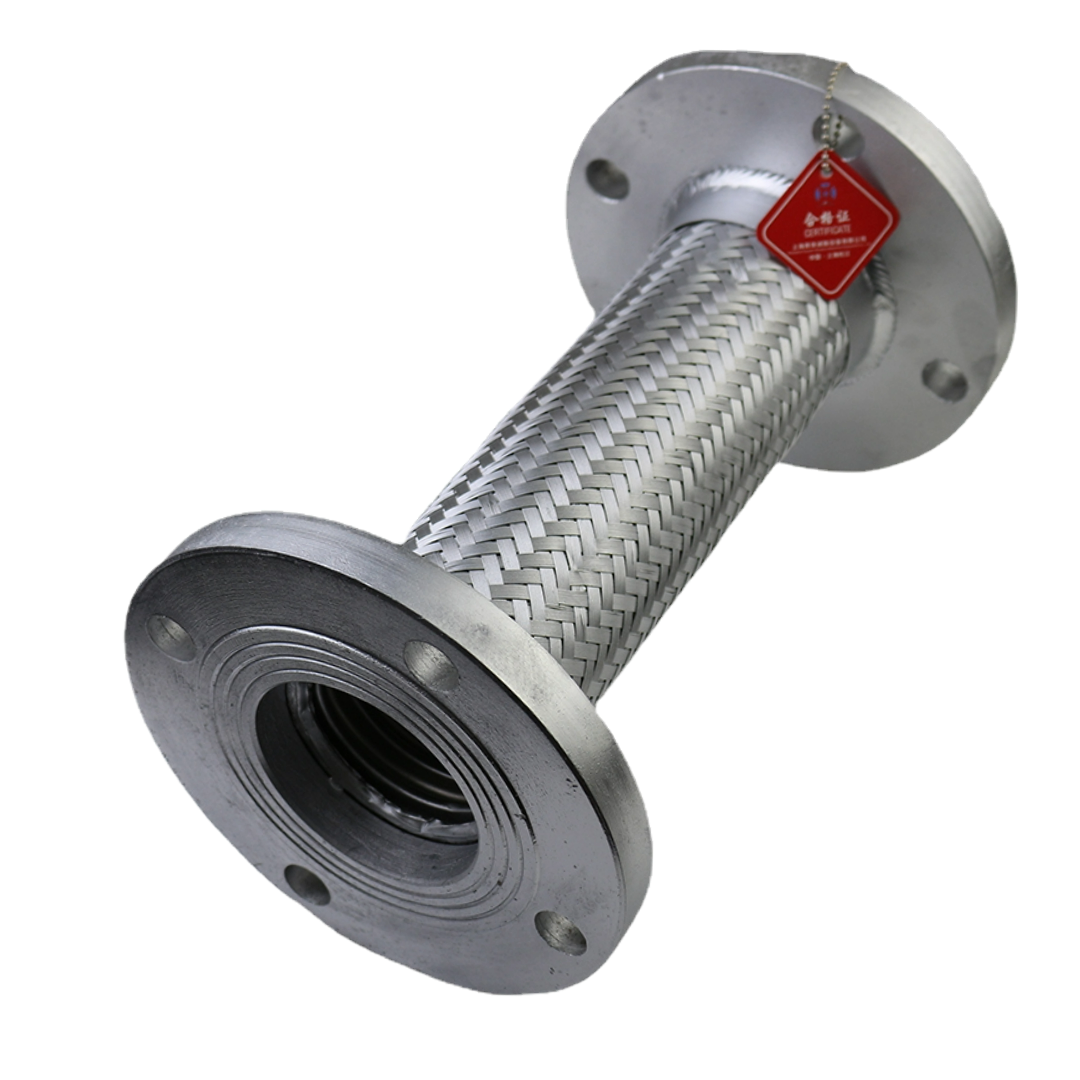
Stainless Steel Flexible Metal Hose
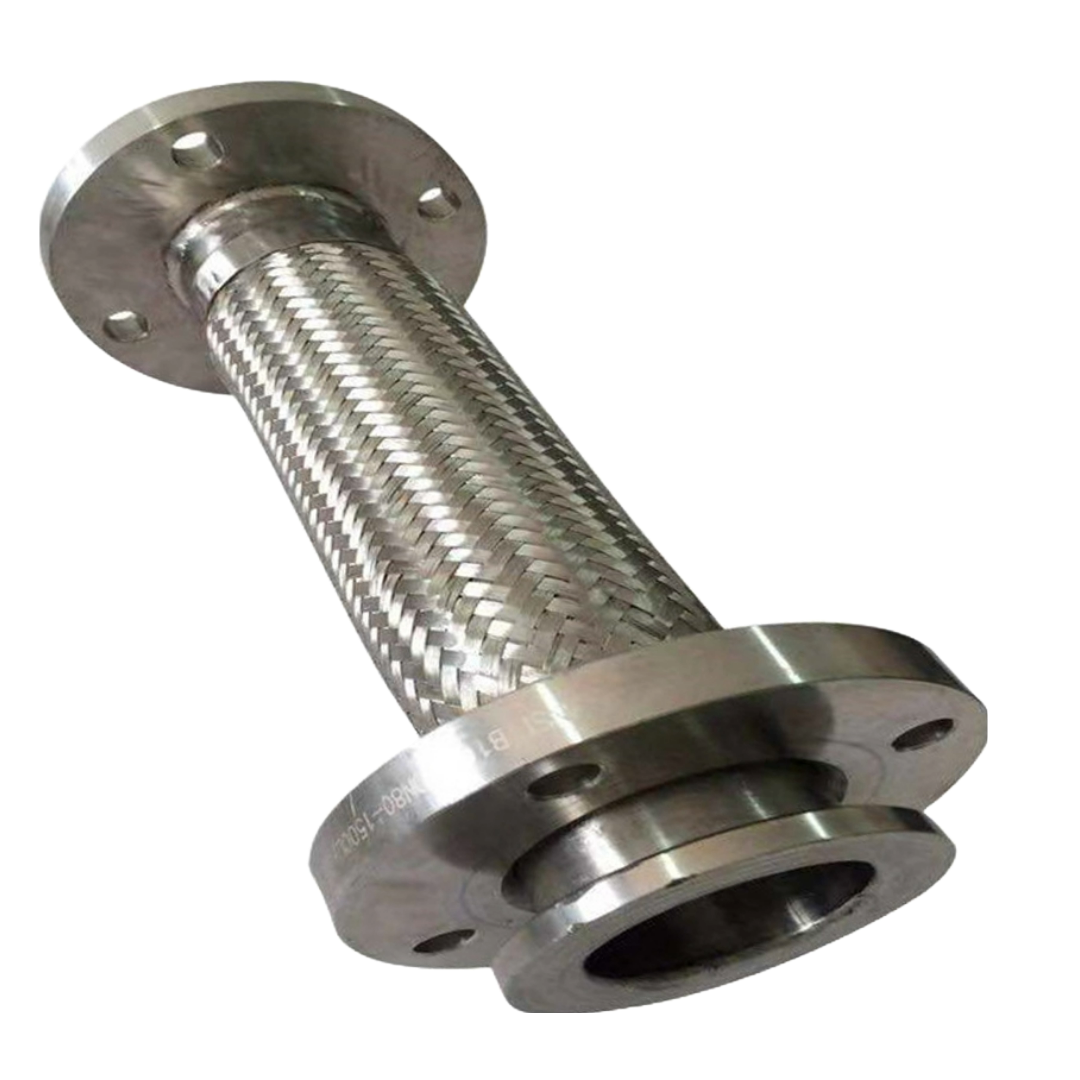
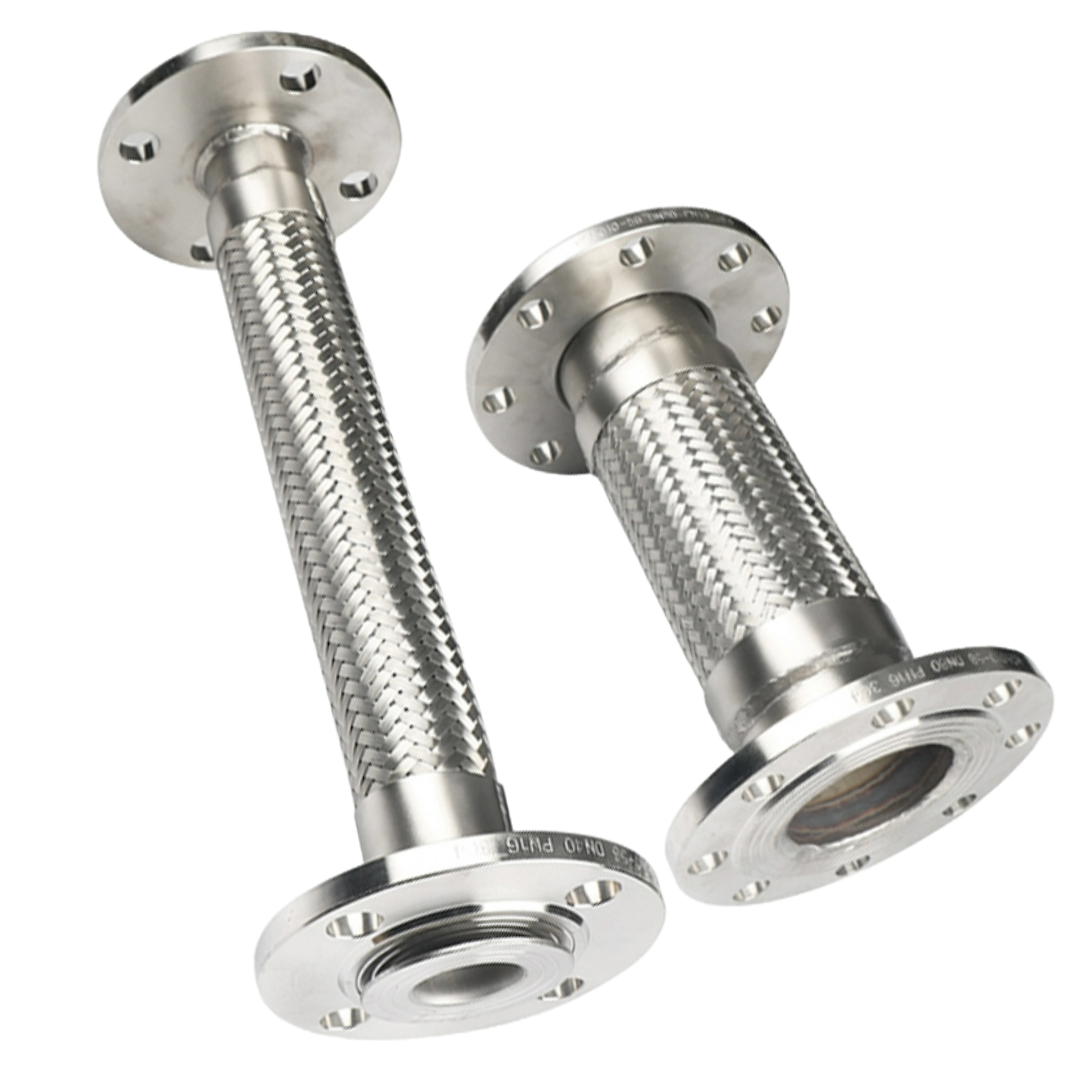
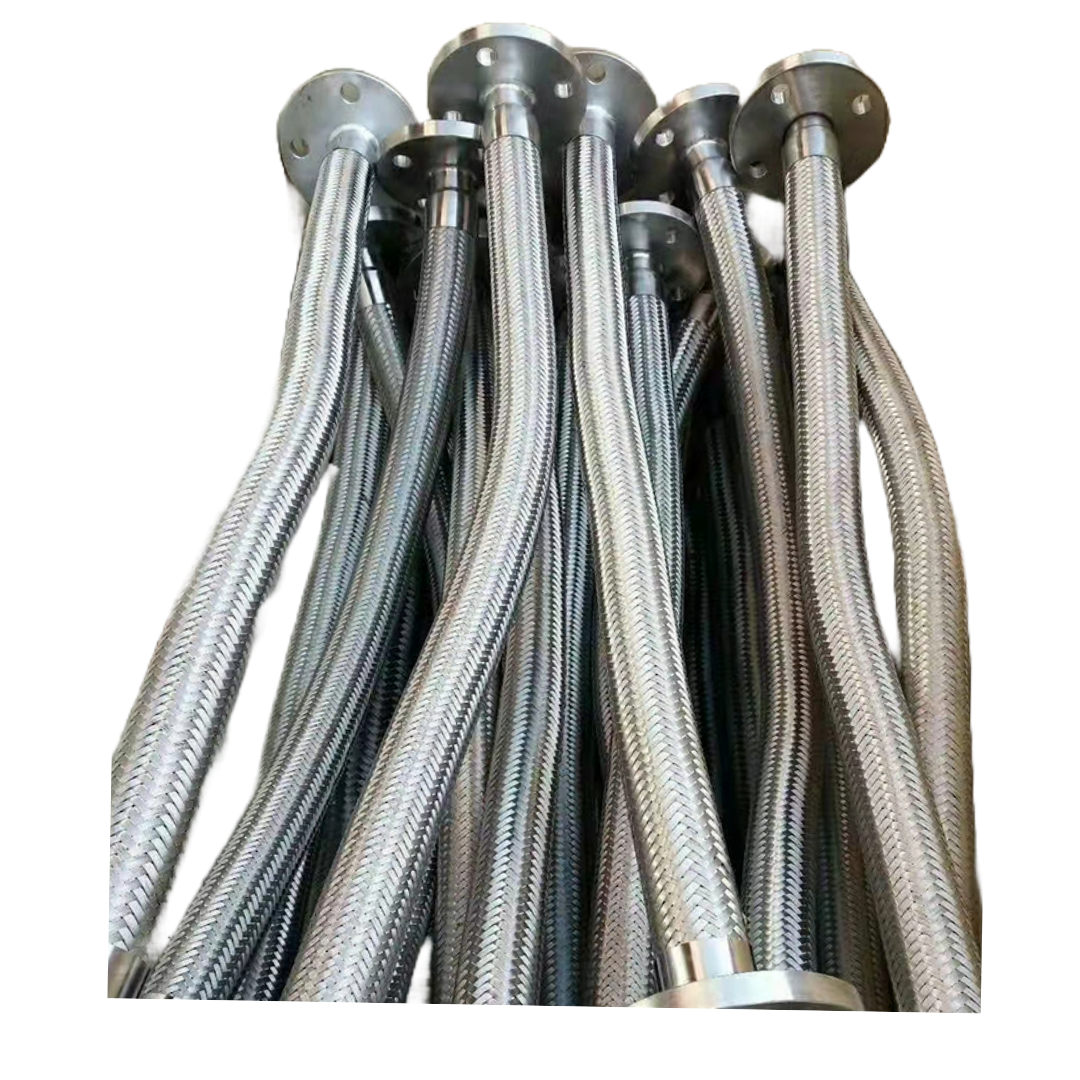
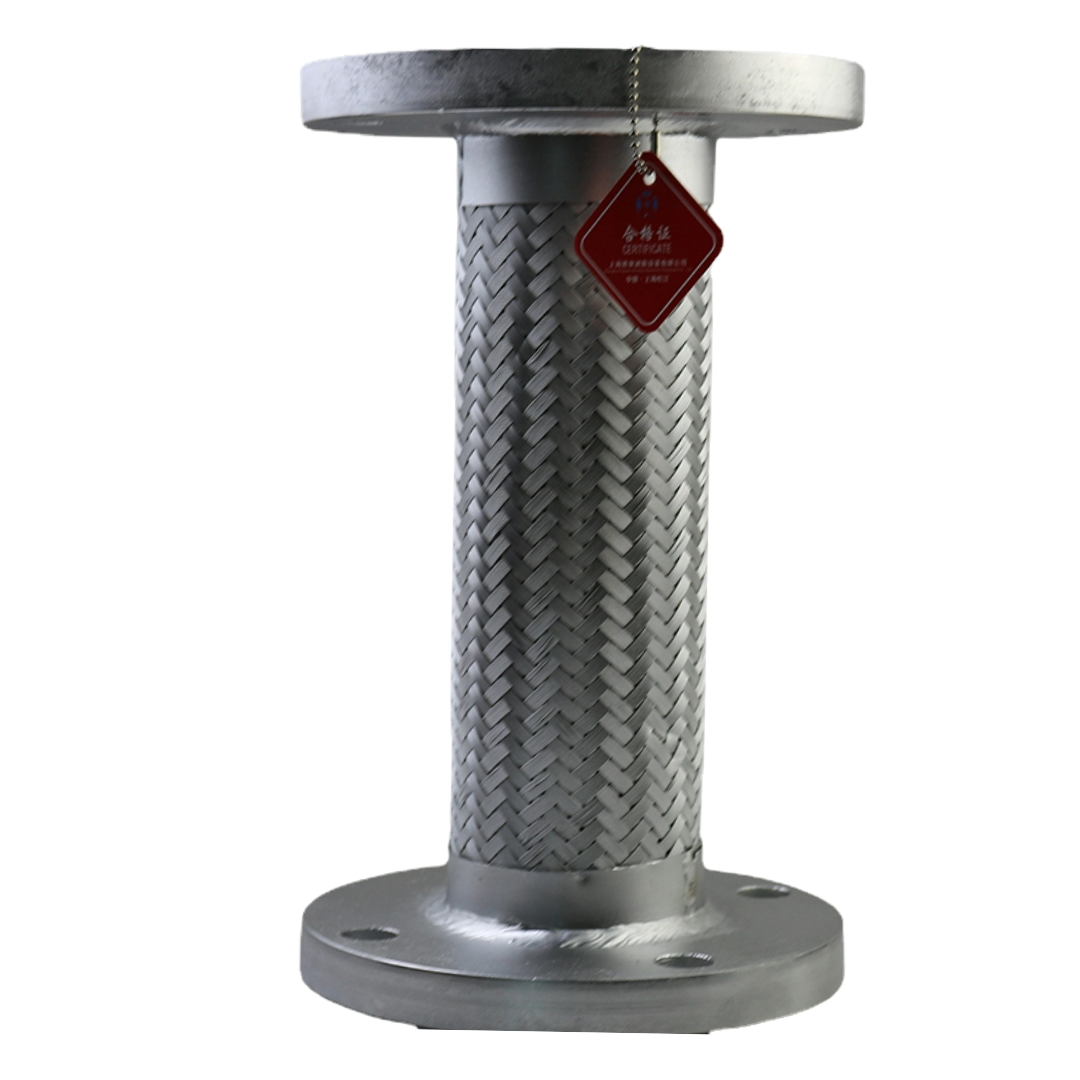
Hongze Stainless Steel Flexible Metal Hose is a corrugated, pressure-tight hose assembly designed for flexible pipeline connections, vibration isolation, controlled displacement and fluid transfer. The corrugated stainless steel core provides flexibility, while one or two external wire-braid layers restrain pressure elongation and improve mechanical strength.
Braided flexible metal hose is commonly selected for steam, hot water, thermal oil, gas, compressed air, chemicals, pump connections, compressors, burners, heat exchangers and industrial equipment. Compared with many rubber hose constructions, stainless steel corrugated hose can be evaluated for higher temperature, fire exposure, permeation-sensitive service and severe external environments. Final suitability still depends on pressure, temperature, medium, bend radius, motion cycles, length, fittings and installation geometry.
The standard catalog table covers DN8 to DN400. Hongze can also evaluate DN450, DN500, DN600, DN700, DN800, DN900, DN1000 and DN1200 flexible metal hose assemblies, as well as other diameters, according to customer drawings. Large-diameter metal hoses are normally engineered for the actual application; inside diameter, outside diameter, braid construction, allowable pressure, bend radius, length, end connections, lifting and supporting method must be confirmed before production.
Key Features and Benefits
- Corrugated stainless steel hose core provides flexibility and pressure-tight fluid containment.
- Single or double stainless steel wire braid restrains pressure elongation and increases allowable pressure.
- Absorbs equipment vibration and accommodates controlled lateral offset or movement.
- Suitable for static-flex and dynamic-flex applications when the correct hose length and bend radius are selected.
- Available for steam, hot water, oil, gas, air and compatible chemical media.
- SS304, SS316L and SS321 hose materials can be evaluated for different temperature and corrosion conditions.
- Flanged, threaded, union, quick-coupling, tube-end and weld-end connections are available.
- Standard catalog sizes from DN8 to DN400.
- Large-diameter DN450-DN1200 and other custom sizes can be manufactured according to approved drawings.
- Custom total length, live length, fitting orientation, braid layers and end materials are available.
- Optional external armor, protective sleeve, fire sleeve, bend restrictor and anti-whip provisions can be evaluated.
- Suitable for new installations, equipment connections and replacement assemblies after application review.
General Product Specifications
| Specification | Standard or Available Option |
|---|
| Product name | Stainless Steel Flexible Metal Hose |
| Alternative names | Braided Metal Hose, Corrugated Stainless Steel Hose, Flexible Metal Hose Assembly |
| Catalog nominal diameter | DN8-DN400 |
| Custom large diameter | DN450-DN1200 and other sizes according to application review and approved drawings |
| Hose construction | Annular or application-specific corrugated stainless steel pressure hose |
| Hose materials | SS304, SS316L, SS321 or project-specified material |
| Braid material | Stainless steel wire braid compatible with the hose and environment |
| Braid options | Unbraided for selected low-pressure uses; single braid or double braid for pressure service |
| End connections | Flange, male/female thread, union, quick coupling, weld end, tube end or drawing-specific fitting |
| Flange standards | ASME/ANSI, EN, DIN, JIS, BS, GB, HG or custom drilling |
| Pressure rating | Depends on DN, hose series, braid layers, temperature, end fittings, assembly method and movement |
| Temperature rating | Determined by hose, braid, fittings, seals, welds and medium; temperature derating applies |
| Movement | Static bend, dynamic bend, lateral offset and vibration; torsion is not permitted |
| Length | Custom overall length and live flexible length according to installation geometry |
| Typical media | Steam, hot water, oil, gas, air, fuel and compatible chemical or process fluids |
| Customization | DN, length, hose pitch, braid, material, pressure, fittings, orientation, protection, testing and marking |
Important: A flexible metal hose is an engineered assembly. DN and braid quantity alone do not define safe working pressure or service life. Temperature, corrosion, pressure pulsation, dynamic cycles, bend radius, hose length, fitting attachment and installation geometry must be considered together. Final performance follows the approved Hongze technical data and assembly drawing.
Hose Construction and Component Functions
| Component | Typical Material or Option | Function |
|---|
| Corrugated hose core | SS304, SS316L, SS321 or approved alloy | Contains the medium and provides controlled flexibility |
| Single braid | Stainless steel wire | Restrains the corrugated core under pressure and provides standard pressure capability |
| Double braid | Two designed stainless steel braid layers | Increases pressure restraint for suitable hose sizes and operating conditions |
| Braid collar or ferrule | Stainless steel or fitting-compatible material | Transfers braid load into the end fitting |
| End fitting | Stainless steel, carbon steel or project-specified alloy | Connects the hose assembly to the pipeline or equipment |
| Attachment weld | Qualified weld compatible with hose and fitting materials | Provides a pressure-tight transition between hose and fitting |
| Protective cover | Wire armor, sleeve, guard or fire-resistant protection | Protects against abrasion, external impact, hot surfaces or personnel contact |
| Bend restrictor | Metallic or application-specific support | Reduces sharp bending immediately behind the end fitting |
Single Braid vs. Double Braid
| Comparison | Single-Braided Hose | Double-Braided Hose |
|---|
| Pressure restraint | Standard pressure reinforcement | Higher pressure capability where confirmed for the hose series and temperature |
| Flexibility | Generally more flexible | Additional braid can increase stiffness and minimum bend requirements |
| Weight | Lower | Higher due to the second braid layer |
| Typical use | General steam, water, gas, oil and equipment connections | Higher pressure or pressure-pulsation service after engineering review |
| Selection rule | Use the approved single-braid pressure rating | Do not assume double braid simply doubles pressure; use the approved rating |
Catalog Dimensions, Bend Radius and Working Pressure
The following 18 rows preserve the supplied catalog values from DN8 to DN400. Static and dynamic minimum bend radius are different. The pressure columns are catalog reference values in MPa for single- and double-braided constructions. Temperature, dynamic motion, pulsation, fittings and assembly method can reduce allowable working pressure.
| Nominal Diameter | Hose ID (mm) | Corrugated Hose OD (mm) | Single-Braid OD (mm) | Minimum Static Bend Radius (mm) | Minimum Dynamic Bend Radius (mm) | Single-Braid Pressure (MPa) | Double-Braid Pressure (MPa) |
|---|
| DN8 | 8.8 | 13.2 | 14.4 | 50 | 110 | 15 | 20 |
| DN10 | 11.7 | 16.5 | 17.7 | 65 | 145 | 15 | 20 |
| DN15 | 13.5 | 19.5 | 21.1 | 80 | 180 | 15 | 20 |
| DN20 | 20.0 | 27 | 28.6 | 120 | 270 | 10 | 15 |
| DN25 | 27.0 | 34.5 | 36.1 | 160 | 360 | 6.3 | 10 |
| DN32 | 32.0 | 40 | 41.6 | 175 | 400 | 4.0 | 6.3 |
| DN40 | 39.6 | 52 | 53.6 | 225 | 510 | 4.0 | 6.3 |
| DN50 | 49.7 | 62 | 63.6 | 280 | 640 | 3.0 | 5.0 |
| DN65 | 61.2 | 80.2 | 81.8 | 410 | 915 | 3.0 | 5.0 |
| DN80 | 79.0 | 96.3 | 97.9 | 486 | 1030 | 3.0 | 5.0 |
| DN100 | 101.2 | 119.6 | 121.2 | 610 | 1340 | 2.5 | 4.0 |
| DN125 | 124.1 | 145.3 | 146.9 | 700 | 1540 | 2.5 | 4.0 |
| DN150 | 149.4 | 180.8 | 182.4 | 810 | 1780 | 2.5 | 4.0 |
| DN200 | 176.0 | 240 | 243.2 | 1000 | 2000 | 2.5 | 4.0 |
| DN250 | 248.0 | 290 | 294 | 1250 | 2500 | 2.5 | 4.0 |
| DN300 | 298.0 | 350 | 354 | 1500 | 3000 | 1.6 | 2.5 |
| DN350 | 347.0 | 400 | 404.8 | 1750 | 3500 | 1.6 | 2.5 |
| DN400 | 397.6 | 460 | 464.8 | 2000 | 4000 | 1.6 | 2.5 |
Catalog caution: These pressure values are preliminary references for the listed hose construction. The source table does not state a temperature basis, design factor, test standard or end-fitting limitation. Therefore, final allowable working pressure must be confirmed on the approved technical data sheet. The DN200 ID value is preserved exactly as shown in the supplied catalog and should be verified before production.
Custom Large-Diameter Flexible Metal Hose
Hongze can evaluate large-diameter stainless steel flexible hose according to project drawings. Large diameters are often used for low-pressure vibration isolation, exhaust connections, large equipment nozzles, ducting and special industrial transfer systems. Pressure normally decreases and minimum bend radius increases as diameter becomes larger, so values cannot be safely extrapolated from the DN400 catalog row.
| Custom Nominal Diameter | Availability | Parameters Requiring Project Confirmation |
|---|
| DN450 | Custom according to drawing | Actual ID and OD, corrugation geometry, material, braid or external reinforcement, working pressure, temperature, static/dynamic bend radius, overall and live length, fittings, motion cycles, supporting and testing |
| DN500 | Custom according to drawing |
| DN600 | Custom according to drawing |
| DN700 | Custom according to drawing |
| DN800 | Custom according to drawing |
| DN900 | Custom according to drawing |
| DN1000 | Custom according to drawing |
| DN1200 and larger | Engineering feasibility review |
For large diameters, provide the mating flange or equipment-nozzle drawing, installed length, required flexibility, pressure, vacuum, flow velocity, medium, temperature, movement direction, support points and transport restrictions. A large hose must be independently supported; do not allow its weight or attached piping to overload the end fittings.
Static vs. Dynamic Minimum Bend Radius
| Item | Static Bend | Dynamic Bend |
|---|
| Definition | Hose is bent into position and remains substantially stationary | Hose bends repeatedly during operation |
| Minimum radius | Smaller catalog value may be permitted | Larger radius is required to reduce cyclic corrugation stress |
| Typical use | Fixed offset, installation tolerance and occasional movement | Traveling loop, reciprocating equipment and repeated movement |
| Service-life approach | Use a radius larger than the minimum wherever space allows | Movement geometry, cycles, frequency and pressure require engineering review |
| Near fitting | Keep a straight section behind the fitting; do not force a sharp bend directly at the weld or braid collar |
A published minimum bend radius is a lower limit, not a recommended design target. A larger radius generally reduces corrugation stress and improves fatigue life. Never kink, flatten or fold the hose to fit limited space.
Connection Types
| Connection | Typical Application | Information Required |
|---|
| Flanged ends | Industrial pipelines, pumps, compressors and equipment nozzles | Standard, class/PN, facing, drilling, material and fixed/swivel arrangement |
| Male or female thread | Small-diameter equipment, instruments and utility piping | NPT, BSPT, BSPP or exact thread standard, size, gender and material |
| Union | Connections requiring convenient installation and removal | Thread, sealing face, gasket material, pressure and temperature |
| Quick coupling | Transfer, loading and temporary service | Coupling type, standard, locking method, seal, pressure and compatibility |
| Weld end | Permanent high-integrity pipeline connection | Pipe OD, wall thickness, bevel, material and welding requirements |
| Tube or sanitary end | Instrumentation or clean-process service when specified | Tube OD, wall, ferrule standard, surface finish, cleaning and documentation |
| Custom fitting | Original-equipment replacement or non-standard nozzle | Approved dimensional drawing, material and inspection requirements |
Material Selection
| Material | Typical Use | Important Limitation |
|---|
| SS304 | General water, hot water, air and non-severe industrial service | Confirm chlorides, temperature and external corrosion |
| SS316L | Selected chemical, marine, chloride and corrosion-sensitive service | Not immune to every chloride concentration, acid or corrosion mechanism |
| SS321 | Elevated-temperature applications where stabilized stainless steel is preferred | Finished assembly rating depends on fittings, welds, pressure and cyclic movement |
| Carbon-steel fittings | Cost-effective flanges or weld ends where compatible | May limit corrosion resistance and low-temperature performance |
| Stainless-steel fittings | Corrosion-resistant or all-stainless assemblies | Exact grade and wetted-surface requirement must be stated |
| Special alloy | Severe chemical or high-temperature service | Select only after full medium and design review |
The hose core is thin and can be more sensitive to localized corrosion than thick-wall pipe. Provide the exact internal medium and external environment, including chlorides, condensation, insulation, cleaning chemicals and atmospheric exposure.
Pressure, Temperature and Service-Life Considerations
- Temperature derating: Allowable working pressure normally decreases as metal temperature increases.
- Pressure pulsation: Rapid or repeated pressure changes can reduce fatigue life compared with steady pressure.
- Dynamic motion: Movement amplitude, frequency, bend radius and hose geometry control cycle life.
- End fittings: The lowest-rated hose, braid, fitting, weld, gasket or coupling controls the assembly rating.
- Vacuum: Full or partial vacuum requires confirmation of hose stability and geometry.
- Flow velocity: High velocity, turbulence and pulsation can excite the corrugations and cause vibration.
- Abrasive media: Particles can erode thin corrugated hose; provide particle size and concentration.
- Corrosion: Chemical compatibility must include both the hose core and fitting materials.
- Length: A hose that is too short is forced to bend sharply; excessive unsupported length can sag and move unpredictably.
- Torsion: Twisting sharply reduces hose life and must be prevented during installation and operation.
Flexible Metal Hose vs. Metal Bellows Expansion Joint
| Comparison | Flexible Metal Hose | Metal Bellows Expansion Joint |
|---|
| Primary function | Flexible connection, vibration isolation and controlled offset/motion | Calculated axial, lateral or angular thermal movement |
| Construction | Long corrugated hose with external wire braid | Short formed bellows with engineered end attachments and accessories |
| Movement design | Uses bend geometry and sufficient live length | Uses specified bellows compression, extension or angular rotation |
| Pressure restraint | External braid carries pressure-induced axial load | May require anchors, tie rods, hinges, gimbals or pressure-balanced construction |
| Typical selection | Pumps, compressors, moving equipment and transfer connections | Thermal expansion in piping and equipment systems |
Do not replace an engineered bellows expansion joint with a flexible hose merely because both products are corrugated. The required movement pattern, pressure thrust, piping restraints and cycle life must determine the correct product.
Typical Applications
- Steam and condensate equipment connections
- Hot-water and district-heating systems
- Thermal-oil and burner connections
- Pump suction and discharge connections after application review
- Compressor, fan and blower vibration isolation
- Gas, fuel and compressed-air pipelines
- Chemical-processing and process-skid connections
- Oil and gas loading or utility service
- HVAC, chiller and cooling-water systems
- Power plants and boiler auxiliary systems
- Marine, exhaust and engine connections
- Large-diameter low-pressure vibration-isolation applications
How to Select the Correct Hose Assembly
- Size: State DN, required internal bore and mating pipe dimensions.
- Medium: Give the exact fluid, concentration, phase, solids and cleaning chemicals.
- Temperature: State minimum, normal, maximum and upset temperatures.
- Pressure: Give working, surge, test and vacuum conditions.
- Motion: Describe static bend, vibration, lateral offset or repeated dynamic movement.
- Cycles: Provide expected frequency, stroke and required design life.
- Length: State overall length, live flexible length and available installation envelope.
- Connections: Specify fitting type, size, material, standard, pressure rating and orientation.
- Environment: State outdoor exposure, abrasion, fire, washdown, salt and external corrosion.
- Flow: Provide velocity, pulsation, turbulence and any particle content.
- Support: Show fixed points, moving points, guides and hose support.
- Documentation: State inspection, testing, marking, packaging and certificate requirements.
Installation Guidelines
- Verify the assembly drawing, flow medium, pressure, temperature, length, fittings and bend radius before installation.
- Inspect the corrugated hose, braid, collars, welds and fittings for damage, broken wires, dents or contamination.
- Keep the hose straight during handling. Do not drag it across sharp edges or lift a large assembly from one fitting.
- Prevent torsion. Align flange bolt holes and threaded fittings before tightening, and use a backup wrench where required.
- Do not bend sharply at the fitting. Maintain a straight section behind the braid collar or weld.
- Use a bend radius larger than the approved minimum wherever installation space permits.
- Do not compress or extend the hose axially unless the assembly was designed for that movement geometry.
- Support long or large-diameter hoses to prevent sagging, braid damage and excessive fitting loads.
- Do not allow hose weight, attached pipe or valve weight to overload equipment nozzles.
- Protect the hose from weld spatter, grinding, external abrasion, traffic and hot surfaces.
- For dynamic applications, ensure the hose bends in one plane without rubbing or twisting.
- Perform the agreed leak or pressure test, then inspect the assembly during initial operation.
Inspection and Maintenance
- Inspect braid for broken, displaced, corroded or worn wires.
- Check the corrugated hose for dents, flattening, cracks, abrasion or corrosion.
- Look for braid bulging, bagging or separation from the end collar.
- Inspect attachment welds and fittings for leakage, cracking or distortion.
- Confirm the hose is not twisted, kinked, over-bent or rubbing adjacent structures.
- Check that supports and moving equipment have not changed position.
- Review any change in pressure, temperature, medium, vibration or movement frequency.
- Replace the hose if leakage, broken braid, severe corrosion, permanent deformation or fitting damage is found.
Custom Manufacturing From Drawings
Hongze can manufacture replacement and project-specific flexible metal hose assemblies from customer drawings. For an existing assembly, provide a dimensioned drawing or clear photographs with a scale, fitting details and marking. Useful customization options include:
- DN8-DN400 standard catalog sizes
- DN450-DN1200 and larger engineered hose assemblies
- Custom overall and live flexible lengths
- SS304, SS316L, SS321 or selected alloy corrugated hose
- Single- or double-braid pressure reinforcement
- Different fittings at each end
- Fixed or swivel flanges and specified flange orientation
- NPT, BSPT, BSPP, union, quick coupling, weld or tube ends
- Protective cover, armor, fire sleeve or bend restrictor
- Project marking, flow arrow, pressure/leak testing, documentation and packaging
Why Choose Hongze
- Selection support based on pressure, temperature, medium, bend radius, movement and cycles.
- Standard catalog range from DN8 to DN400.
- Large diameters through DN1200 and other custom sizes evaluated according to drawings.
- SS304, SS316L, SS321 and project-specific material options.
- Flanged, threaded, quick-coupling, union and weld-end connections.
- Single- and double-braid assemblies for confirmed pressure requirements.
- Production drawings can be approved before manufacturing.
- Direct technical communication for replacement hoses and industrial projects.
Frequently Asked Questions
What is a stainless steel flexible metal hose?
It is a pressure-tight corrugated metal hose, normally reinforced by stainless steel wire braid and supplied with welded end fittings for flexible fluid connections.
What does the external braid do?
The braid restrains the corrugated hose from elongating under internal pressure and transfers pressure load to the end fittings. It also provides limited mechanical protection.
Does double braid double the working pressure?
No. Double braid can increase pressure capability, but the improvement depends on hose geometry, wire coverage, fittings, temperature and assembly design. Use only the approved rating.
What is the difference between static and dynamic bend radius?
Static radius applies when the hose is bent into position and remains mostly stationary. Dynamic radius applies when the hose repeatedly bends during operation and is therefore larger.
Can I install the hose at the catalog minimum bend radius?
The minimum is a lower limit, not the best design target. A larger radius normally reduces stress and improves service life.
Can the hose absorb axial compression?
A standard braided hose should not be treated as an axial bellows compensator. Flexible hose normally accommodates movement through a designed bend or offset configuration.
Can DN450 or larger metal hose be manufactured?
Yes. DN450-DN1200 and other large diameters can be evaluated according to pressure, temperature, movement, bend radius, length, fittings and application drawings.
Which stainless steel material should I choose?
SS304 suits many general services, SS316L may provide better resistance in selected chemical or chloride environments, and SS321 is often evaluated for elevated temperature. Exact conditions must be reviewed.
Can it be used for steam?
Yes, when hose material, braid, fittings, gasket, pressure, temperature, condensate conditions and installation geometry are approved for steam service.
Can it handle vacuum?
Vacuum service requires confirmation. Diameter, length, hose construction and bend geometry affect stability under external pressure.
Can Hongze copy an existing hose from a drawing?
Yes. Provide the drawing, overall and live length, fittings, orientation, materials, pressure, temperature, medium and movement conditions for review.
What information is required for a quotation?
Send DN, length, hose and fitting materials, connection details, working and surge pressure, temperature, medium, static or dynamic movement, bend radius, cycles, quantity and drawing.
Related Products
Request a Custom Flexible Metal Hose Quotation
Send your drawing, DN, overall and live length, pressure, temperature, medium, movement, bend radius, fitting standard, material and quantity. Hongze will review hose construction, braid layers, fitting attachment and installation geometry before quotation.
https://hongzepipe.com/